


Common Problems with the VW Golf V

The Classic Problems with the VW Golf 5
While opinions may differ on its rounded appearance and the harmony of its design, one indisputable fact is that the Golf V also has its share of typical flaws. Although some of the teething problems of its predecessors were ironed out, the Golf 5 has brought its own set of quirks to the table.
The fifth generation was also offered with a wide variety of engines and configurations, ranging from the classic 75 PS gasoline engine to the sporty R32 with a 3.2L displacement. To help you know what to expect with the Golf V, we’ve listed the most common issues here and will also tell you what you can do about them.

Typical Golf V: cracked cylinder head



Extremely high oil consumption
With the Golf V, drivers often complain about extreme oil consumption. One or even two liters per 1000 kilometers are not uncommon. What is sometimes a symptom of other causes, such as a defective cylinder head gasket, can also be a weak point in itself.
Defective ignition coils on the Golf V


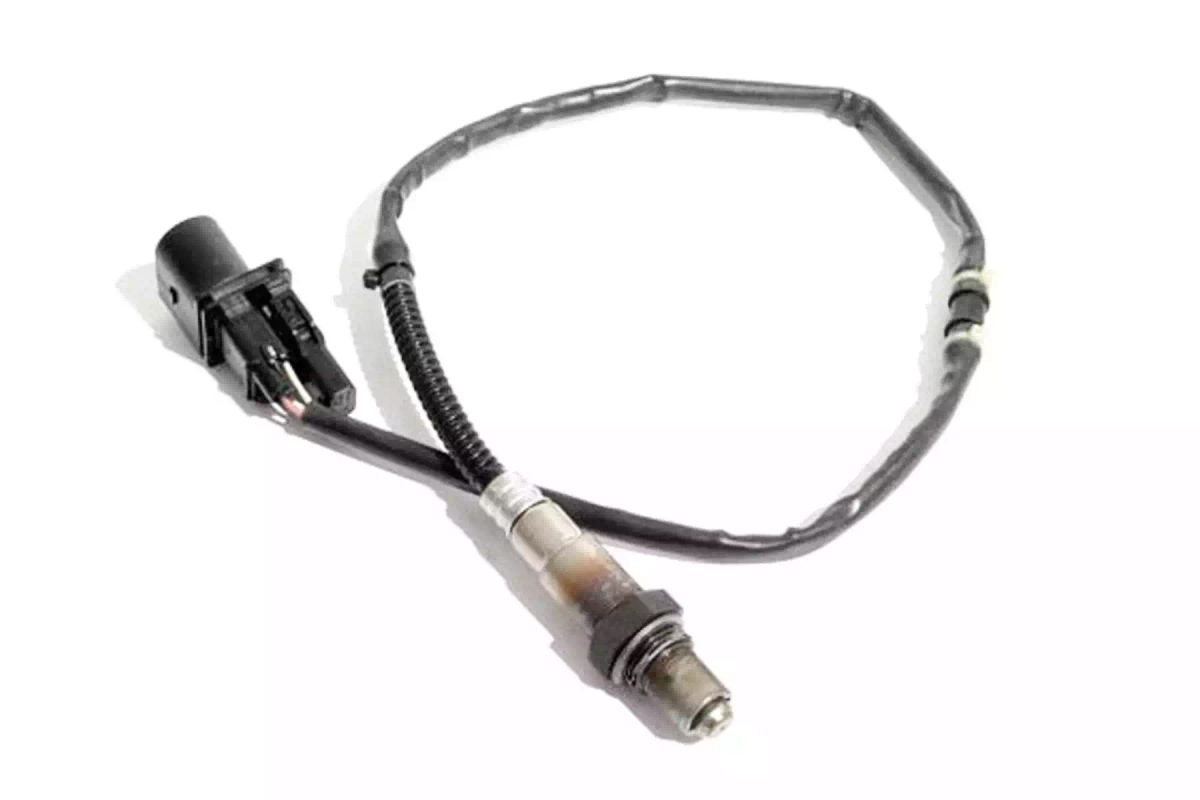
Defective O2 sensor
Other common weak spots on the Golf V
Besides the more serious issues, the fifth-gen Golf also has a few weak spots that are annoying but don’t necessarily lead to engine failure. These include, for example, rattling noises caused by a faulty A/C control unit. Squeaking when accelerating is also one of them (affects models with Twincharger and was fixed with a revised water pump). The comfort function sometimes caused the windows to open by themselves, and, in typical Golf fashion, the soft-touch coating peeled off quickly and left the interior looking grubby.


